
When there is emergencies, people seldom get time to pause and consider where they should go next. In chaotic situations, confusion can spread rapidly, especially in large buildings, offices, apartments, warehouses and other public places where a lot of inhabitants may not understand the layout well. The ability to plan for emergencies clearly helps in reducing that confusion.
A well-constructed evacuation plan and intervention gives immediate visual aid, which assists staff, security personnel and firefighters react more quickly whenever every second counts. They aren’t made of a wall-mounted paper. These plans are intended to be useful safety tools that can be used in real-life emergency situations.
Public and commercial establishments in France are becoming more conscious of the necessity to maintain emergency documentation current easy to read, well positioned and adapted to each building.
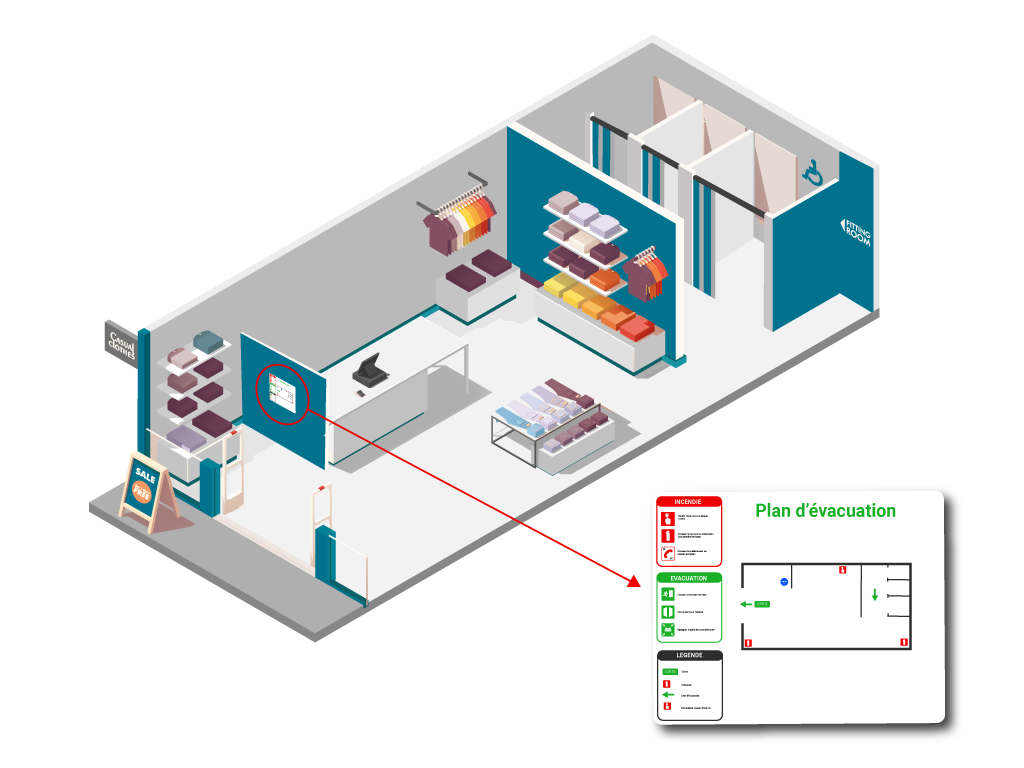
The purpose of evacuation and intervention plans are different.
A majority of people think that all fire safety plans serve the same purpose, but they do not.
The principal audience for an evacuation plan for Lyon properties is residents, customers, employees, contractors and residents. This plan is intended to aid people in swiftly and safely leaving the premises in case of an emergency.
The plans usually contain details about stairways and exits. Additionally, they could include alarm systems, emergency equipment or evacuation routes. It is vital to position the information in a manner that the occupants are able to locate it in stressful circumstances.
A Clermont Ferrand building intervention plan is developed for security and emergency personnel. It includes information on emergency access, utility shutdowns, circulation zones, technical rooms and safety systems. Both types of plans are crafted to cooperate to create a safer and more efficient response. For more details, click here plan évacuation Lyon
It’s more important than most people realize that placement and visibility are the most important factors.
The fire safety plan is only useful when people can see it clearly and comprehend. Plans hidden behind doors, positioned too high, hard to read, outdated, or poorly illuminated lose much of their practical importance in the event of an emergency. Effective fire safety planning requires careful examination of the contents and location.
Evacuation plans are often located in areas like the entrances to halls, hallways, staircases and other circulation areas that people use each day. Emergency response teams often place interventions plans close to access points to the fire department, technical areas or security stations. This enables them to quickly gain access to vital information about the building when they arrive. Plans that are professionally designed improve the visibility, readability, and coordination for emergency situations throughout the entire property.
The updated regulations are changing fire Safety Expectations
In France Fire safety regulations in France are evolving for buildings that have public access. Despite their layout in Category 5, ERP buildings were required to have appropriate documentation for evacuation and emergency interventions. To ensure compliance with current requirements, organizations property managers, trustees and businesses as well as public facility managers require more professional help.
Clermont property owners who wish to ensure their homes are secure and in compliance, and are prepared for any regulatory changes in the future, should prepare an intervention and evacuation plan. Documentation updates show professionalism and a sense of responsibility to residents, emergency services and inspectors.
Emergency Responders Depend on Accurate Building Information
In the event of a fire or an emergencies, firefighters often go into buildings that are not familiar to them under difficult conditions, including the heat, smoke, visibility and time pressure. A thorough intervention plans allows emergency personnel to gain a better understanding of the structure.
The plans should include the emergency exits, shut-off points to utilities, compartmentalization zones, and technical rooms. The plan could also include smoke extraction systems.
Having this information available helps emergency responders make quicker operational decisions, while also increasing the efficiency of interventions. For larger or more complex properties, having a well-organized and up-to date intervention documentation can greatly improve coordination in emergency situations.
Regular Updates Keep Plans Relevant
Buildings change over time. Offices are updated, walls are redesigned, technical equipment is relocated and circulation routes evolve. Safety plans for fires that have not been updated following these changes can quickly become ineffective. A lack of technical details or a route for evacuation that is outdated could cause confusion in an emergency.
Regular reviews are essential to ensure that the emergency plans remain in sync with the current safety system and building layouts. The majority of organizations consider periodic updates more as a part of their risk management process rather than a routine administrative task. Professional providers help businesses with monitoring these updates, while staying in line with the most recent standards and best practices.
A clear plan for fire safety helps create safer spaces
It is vital to remember that fire prevention does not end with alarms or extinguishers. Safety planning that is effective creates a space where individuals are able to react with calm and efficiency in times of emergency.
If emergency procedures are clearly marked and properly organized employees feel more comfortable. Visitors benefit from clearly-marked routes to evacuate. Emergency responders can have access faster to critical information about the building. Professionally designed fire safety plans support all who is involved. France Protect Securite Incendie provides services that help industry, businesses, and the public in Auvergne-Rhone Alpes make safer spaces.
The preparation of a person can make a huge difference in the event of a crisis.
The likelihood of emergencies not being forewarned is very low. The preparation process is usually what determines the efficiency of a building’s response to a crisis.
An organized evacuation plan for Lyon structures, an accurate creation of an evacuation plan and plan for intervention to Clermont services, and professionally prepared Fire intervention plan for Lyon properties are all part of more secure emergency management.
Updated, well-positioned and legible plans reduce confusion and increase the coordination of emergency response. They also facilitate safer evacuations, both for emergency personnel and those who are occupants.
for public institutions and businesses having a clear plan for emergencies is not only about meeting guidelines. Everyday, it’s about ensuring safer surroundings as well as ensuring the safety of people and increasing readiness.


